
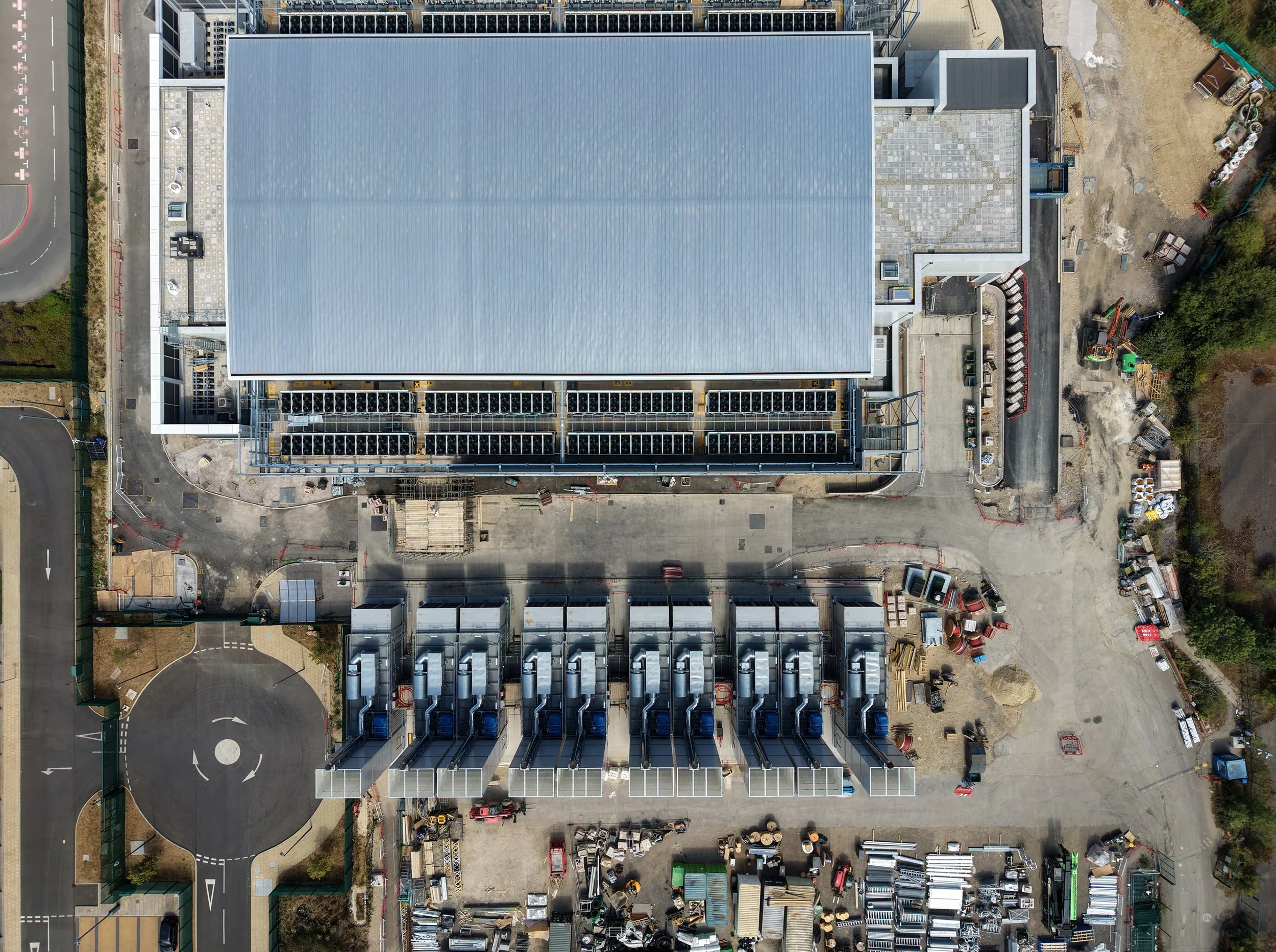
The AI Boom Is Driving a 118% Surge in Data Center Jobs, But Median Pay Is Dropping
Building the physical computing power for AI hasn't slowed down. But a few years into this hiring spree, a clearer picture is coming into view: companies keep putting out job ads at a rapid pace, but median pay is dropping.

More Jobs, Higher Bar: The 2026 AI Employer Report
AI's introduction to the labor market got off to a rocky start, with speculation that it would be a massive job killer. The data tells a different story. Instead of cutting headcount to save money, companies are using AI to reshape their teams, speed up hiring processes, and raise the bar on what they expect from employees. AI adoption is ramping up, and so far, it looks like a net positive for job creation.
ZipRecruiter’s New Hire Survey 2026 Q2
The ZipRecruiter Q2 2026 New Hire Survey indicates that the workforce is navigating a slower labor market with careful consideration and intention. While the rapid job-hopping trend observed in the post-pandemic era has stabilized, newly hired workers continue to make strategic moves to enhance their daily work lives. The modern job search requires significant effort, endurance, and time; however, for candidates who are willing to invest that effort, the market is delivering positive results.

AI-Powered Job Seekers Are Twice as Likely to Land an Offer
The job search has a new dividing line: whether or not you're using AI. ZipRecruiter's Q1 2026 survey of job seekers shows a stark split in how AI-powered job seekers navigate their search compared with their more tech-averse counterparts.

Record-High Women’s Employment Meets the AI Stress Test
The US labor market is reshaping itself around AI, just as women’s employment reaches record levels. But the risks of AI-induced changes to occupations are not evenly distributed amongst workers. Brookings Institution research, confirmed by Anthropic, identifies roughly 6.1 million U.S. workers who face both high AI exposure and low ability to adapt if they are displaced. About 86% of these workers are women, concentrated in clerical and administrative roles.

The Unproven Promise of AI
According to the Federal Reserve’s February Beige Book, businesses are integrating AI to augment output rather than replace jobs. It is tempting to link recent GDP growth, which has diverged from a softening labor market, to productivity gains from AI. Yet despite sensational headlines, AI’s real-world business impact remains limited. And the most important question may not be how AI affects productivity, but who benefits if and when it does.

2026 Labor Market Predictions
2025 has shaped up to be quite a unique year for the labor market. Job growth slowed to a halt, workers became frozen in place, and the labor force shrank. As we look ahead to 2026, the question on everyone’s mind is: when will the thaw begin?
ZipRecruiter Employer Survey 2025
The labor market has entered "The Great Freeze"–a period of unprecedented stagnation where turnover has plummeted and both employers and workers prioritize stability over movement. With strong hiring intentions, AI-driven transformation reshaping skill demands, and potential Fed rate cuts on the horizon, our research suggests that the thaw is coming.