
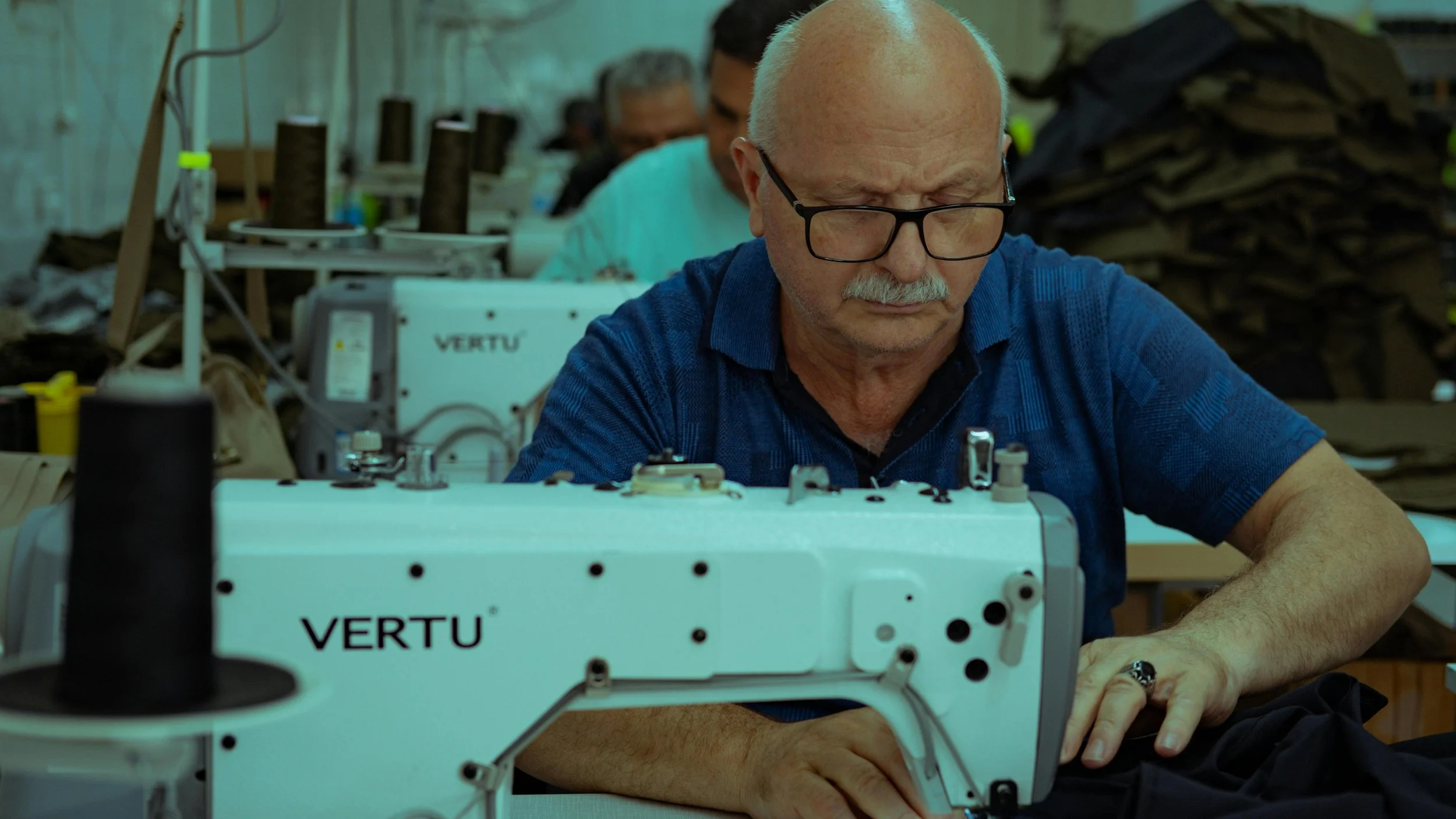
Inflation Is Keeping Older Workers on the Clock
Retirement levels are near historic lows, with an estimate of retirements sitting at 274,000—well below pre-pandemic norms.
66% of workers 60+ who haven't retired say income needs are keeping them on the job.
46% of the 60+ population says inflation has had some impact on their retirement plans.
The median 60+ worker has saved $100,000 against a goal of $250,000.
Inflation is the #1 fear among 60+ workers, cited by 63%—ahead of healthcare costs and outliving their savings.

The Retirement Cliff Is Coming, But Older Workers Are Ready to Help Businesses Land Safely
14% of the workforce is 60 or older, nearly double the share from two decades ago
Older workers have a median of 30 years of experience in their field.
61% of workers 60+ would stay one year or more in a reduced-hours wind-down role before fully retiring.
27% say they would stay five years or more if employers offered a phased, reduced workload arrangement.

Retirement Realities
Many workers 60+ expect never to fully retire—and most say money is the reason.
Over 4 in 10 workers 60+ say they'll never fully stop working—and 60% say it's because they can't afford to.
The typical 60+ American has saved $100K toward a $250K goal, leaving them $150K short at the start of retirement.
Social Security is doing most of the heavy lifting in retirement
Nearly half (47%) of adults 60+ rely on Social Security as their primary income source. Among the fully retired, that rises to 71%.
Inflation, healthcare, and caregiving are reshaping retirement
Inflation is the #1 retirement worry (62%), ahead of healthcare (59%) and outliving savings (42%).
30% of still-working adults 60+ stay employed to keep healthcare coverage. Another 42% stay employed to cover caregiving costs.
Phased retirement could help employers keep older workers longer
61% of workers 60+ would stay in the workforce longer if offered a phased retirement arrangement.

Resilience and Momentum: Where Black Workers Are Gaining Ground in the U.S. Labor Market
The U.S. labor market has been through a great deal of turbulence in the past six years, and Black workers have felt that turbulence acutely. Unemployment gaps widened, wage gains were uneven, and economic uncertainty cast a shadow over household finances. And yet, something important is also happening beneath those headline numbers: Black workers are not just weathering the storm, they are steering the ship.
Data from the Bureau of Labor Statistics' Current Population Survey, Annual Social and Economic Supplement (CPS) and ZipRecruiter's survey data paint a portrait of a Black workforce that is engaged, proactive, and forward-looking. That doesn't mean the structural challenges are gone, but it does mean that Black workers are increasingly writing their own stories of success.

The Healthcare pivot: Where workers can find opportunity amid a slow labor market
The current trajectory of the U.S. labor market reveals a striking reliance on a single sector for sustained growth. Over the past year, healthcare has accounted for approximately 69% of all national job gains. This concentration suggests that the industry is acting as a primary stabilizer for the broader economy, a role driven more by the structural needs of an aging population than by cyclical economic growth.
As demographic shifts continue to increase the demand for medical services, healthcare is positioned to be a permanent center of gravity for the American workforce. For workers navigating stagnation in other sectors or seeking to re-enter the market, this growth presents a strategic opportunity to pivot into a high-demand field.

Holiday Hiring Trends: E-commerce Takes the Lead—Yet Again
The most recent job openings report from the U.S. Bureau of Labor Statistics appeared to foreshadow a weak 2024 holiday hiring season. Similarly, ZipRecruiter data on nationwide online job postings pointed to a slow start.