
The AI Boom Is Driving a 118% Surge in Data Center Jobs, But Median Pay Is Dropping
The AI Boom Is Driving a 118% Surge in Data Center Jobs, But Median Pay Is Dropping
Key takeaways
Job postings for AI data center work have jumped 118% over the past year.
Demand for skilled trade workers to build these facilities has risen 109% over the past year.
Job listings for day-to-day data center operations workers went up 34% over the past year.
Middle-of-the-pack (median) listed salaries for data center jobs dropped by 7.8% in August.
Cincinnati, Houston, and Memphis are among the fastest-growing cities for new data center jobs.
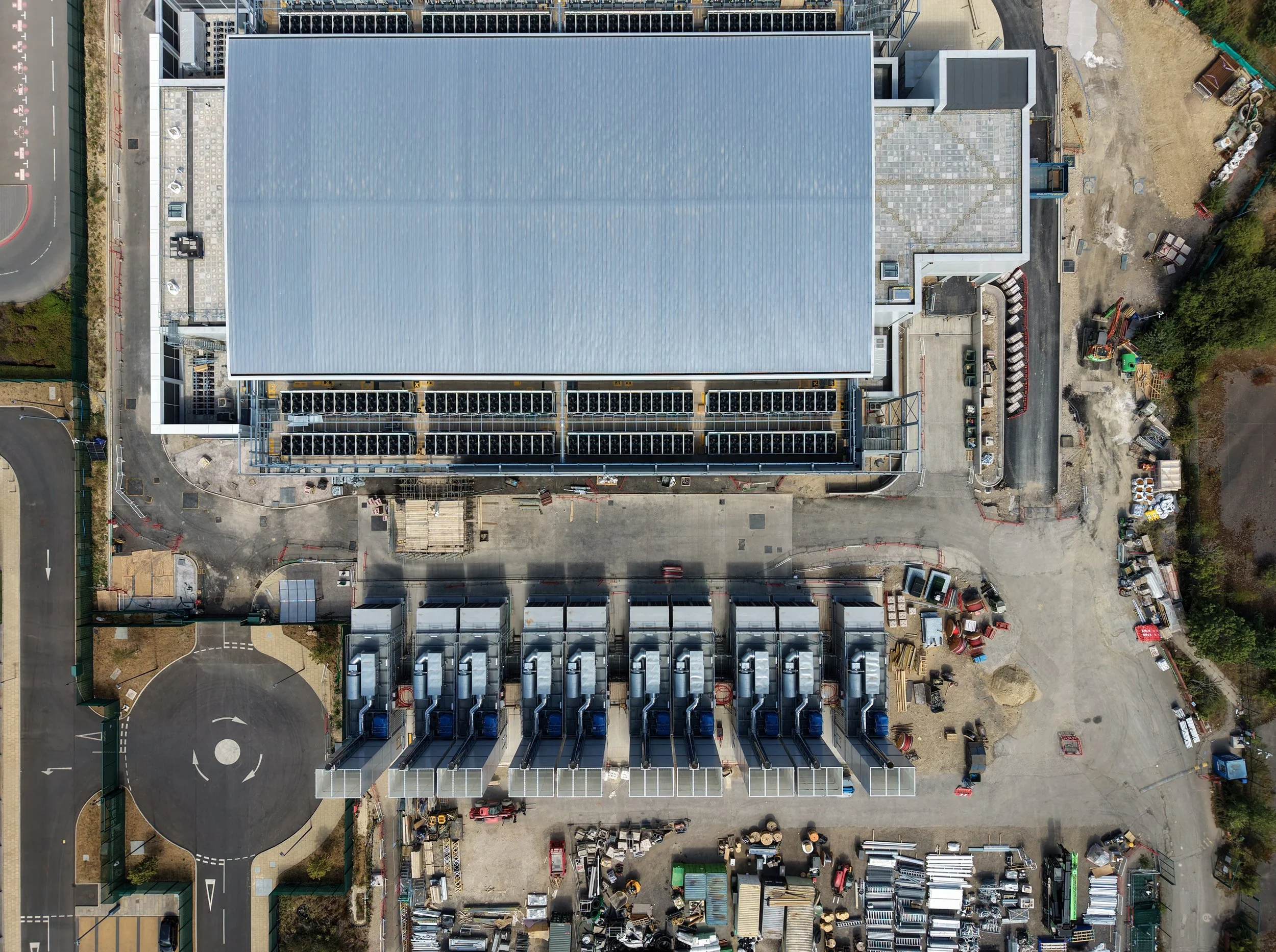
Building the physical computing power for AI hasn't slowed down. But a few years into this hiring spree, a clearer picture is coming into view: companies keep putting out job ads at a rapid pace, but median pay is dropping.
High demand for skilled construction and technical trades
Job listings for specialized trades for data center builds are up 109% since last August. Specialized trades are growing even faster:
Electrical: +293%
Control system technicians: +134%
Welding & pipefitting: +124%
HVAC/cooling: +104%
General maintenance: +96%
Much of the media’s focus has been on AI chips, but someone has to actually build the buildings to house them. Electricians, welders, HVAC techs—these are the people doing the heavy lifting, and due to dynamic changes in labor supply, from an aging workforce and a reduction in immigration, these workers are getting harder to find. The Federal Reserve Beige Book just flagged this issue as one of the biggest bottlenecks in the current labor market.
Operations hiring is growing, but at a slower pace
Listings for daily operations jobs, the ongoing work of running a facility rather than building it, are up 34% compared to last year. While this still shows healthy growth and expanding opportunities, that growth looks modest next to the massive hiring boom in construction trades. This shows that hiring is still focused mostly on building new facilities rather than staffing finished sites. It also raises questions about what long-term employment will look like once the current construction boom winds down.
Here's the catch for anyone considering this work: while operations roles might sound more stable than construction jobs, the data tells a different story.
Operations roles: 80% full-time (16% temporary/contract)
Trade jobs: 88% full-time (4.8% temporary/contract)
While this margin has slightly reduced over the past year, the disparity continues, underscoring that expansion in data center employment does not automatically translate to uniform job stability. And the reality is that many of the trade jobs are likely not permanent either, as jobs end and workforces get redistributed. Without additional projects lined up, many of these trade workers will close the chapter on their data center involvement once the facilities are operational, even if the job postings don’t clearly state as much.
Median offered pay is cooling down
This is where the numbers call for caution. The median salary across all data center job posts sits around $91,600, down 7.8% from a year ago. Pay dropped across the board:
Trade jobs: $61,900 (down 3.5%)
Operations jobs: $52,500 (down 22%)
In other words, this isn't because job listings from lower-paying cities suddenly flooded the market. Pay actually went down everywhere across the country. Instead of an influx of job listings from lower-paying markets depressing the national median, median pay has, in fact, dropped across the country. As these new data centers come online and become operational, companies seem to be hiring different roles—and posting lower starting salaries for them.
At the same time, the average starting salary listed across all data center jobs more than doubled year-over-year to roughly $190,200. Here's what's really happening: a handful of specialized engineering roles (paying $250k+) are pulling the overall average sky-high. But if you're looking at a typical data center job? The median tells a completely different story. It's a helpful reminder to look at typical middle pay rather than the overall average when judging what a regular data center job actually pays.
Hiring is spreading to new regions, but coastal cities still pay the most
The fastest-growing data center job markets are:
Cincinnati: +192%
Houston: +172%
Memphis: +165%
Pittsburgh: +155%
Indianapolis: +153%

These locations often offer large plots of affordable land and limited regulatory red tape for building, creating more favorable conditions for data center development than dense, expensive coastal markets.
However, top-end pay is still highest in classic tech hubs. San Jose ($151,900), San Francisco ($141,000), and Seattle ($130,800) remain the highest-paying metropolitan areas for data center work by a wide margin.
The takeaway
The AI data center boom is still going strong; job postings, especially in skilled construction trades, are growing faster than almost any other field. But the data shows that this isn't leading to widespread pay raises for the typical worker; overall, median pay has dropped slightly. For trade schools and training programs, the need for electrical, cooling, and piping skills is very real. For job seekers considering the field, the key lesson is: the jobs are out there, but don't expect the headline-grabbing high average salaries to reflect what most positions pay.